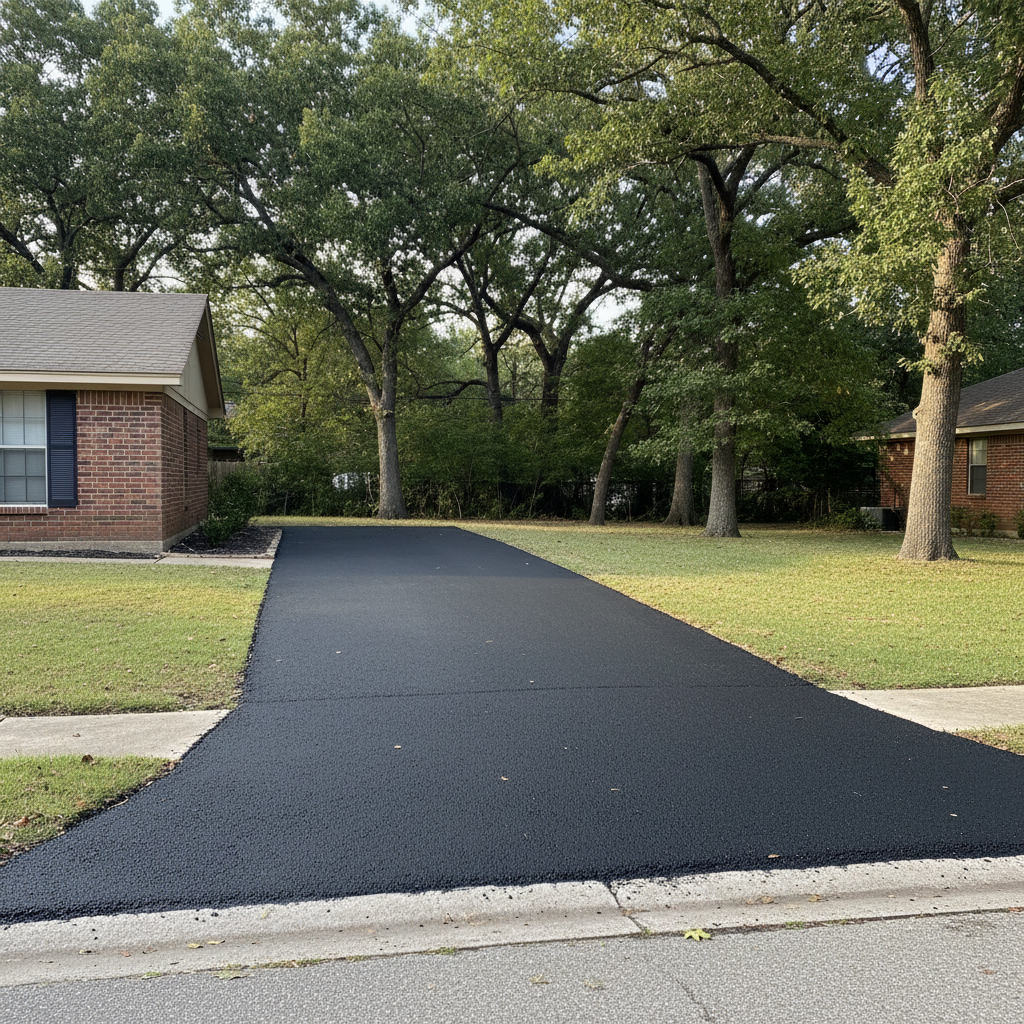
Your driveway is a big investment, and here in Richardson, it takes a beating. Between our scorching summers, the occasional ice storm, and that expansive clay soil we're all too familiar with, a driveway really earns its keep. You want it to last, right? I've been in this business a long time, and I've seen what makes a driveway stand the test of time and what sends it to an early grave. Let's talk about keeping yours in top shape.
Extending Your Driveway's Life in Texas
The biggest thing you can do to extend the life of your asphalt or concrete driveway is to be proactive. It's not just about fixing problems when they pop up; it's about preventing them. For asphalt, that means regular sealcoating. Think of it like sunscreen for your driveway. Our Texas sun is brutal, and it dries out the binders in asphalt, making it brittle and prone to cracking. A good sealcoat every 2-3 years, depending on traffic and sun exposure, protects against UV rays, water penetration, and even oil spills. It also gives it that fresh, black look.
For concrete, the key is proper curing when it's first installed and then keeping it clean and sealed. Concrete sealers protect against moisture, freeze-thaw cycles (yes, we get those sometimes!), and surface deterioration. Don't skimp on these steps; they're your first line of defense.
Another big one, especially around here, is drainage. Water is the enemy of any paving. If water is pooling on your driveway or running underneath it, you've got a problem brewing. Make sure your gutters are working, and the land around your driveway slopes away from it. This is crucial with our clay soils; excess moisture can lead to movement and cracking.
Regular Maintenance: What You Should Be Doing
Beyond professional sealcoating, there's a lot you can do yourself. First, keep it clean. Sweep off leaves, dirt, and debris regularly. This prevents organic matter from breaking down and staining the surface, and it keeps water from getting trapped. If you have oil or gas spills, clean them up immediately. They can degrade asphalt and stain concrete.
Next, watch for weeds. Any cracks are an invitation for weeds to take root, and their growth can widen those cracks significantly. Pull them out or use a weed killer. It's a small task that saves you bigger headaches down the road. For asphalt, if you see small cracks, fill them. Crack filling is a cheap, easy way to stop water from getting into the base layer, which is where the real damage starts. You can buy crack filler at any home improvement store and apply it yourself.
For concrete, look for expansion joints. These are designed to allow the concrete to expand and contract. Keep them clean and make sure the sealant in them is intact. If it's cracking or missing, replace it. This prevents water from getting under the slabs and eroding the base.
Warning Signs of Problems
You don't need to be an expert to spot trouble. Here are some things to look out for:
- Cracks: Small, isolated cracks are one thing. But if you see a network of cracks resembling an alligator's skin (we call that 'alligator cracking'), that's a sign of base failure. This is serious.
- Potholes: These usually start as small depressions or cracks that weren't sealed. Water gets in, freezes (if it's cold enough), expands, and then traffic breaks down the weakened area.
- Fading or Discoloration: For asphalt, this means the binder is drying out and losing its protective qualities. For concrete, it might indicate surface wear or a lack of proper sealing.
- Pooling Water: If water isn't draining off your driveway, it's going to find a way to cause damage. This could be a sign of settlement or an underlying drainage issue.
- Uneven Surfaces: If parts of your driveway are sinking or heaving, especially common with our reactive clay soils, that's a major red flag. It means the base or sub-base is failing, or you have significant soil movement.
When to Call a Professional
Look, I'm all for DIY, but some jobs are best left to the pros. If you're seeing extensive alligator cracking, large potholes, significant sinking or heaving, or major drainage problems, it's time to call Richardson Accurate Asphalt. These issues usually mean the problem goes deeper than the surface and requires specialized equipment and expertise to fix correctly. Trying to patch over a failing base is like putting a band-aid on a broken leg; it won't hold up.
Also, if you're not comfortable with sealcoating or crack filling, or if you just don't have the time, that's what we're here for. Regular professional maintenance can prevent those small issues from turning into expensive full-replacement projects. We can assess your driveway's condition and recommend the best course of action to keep it looking good and performing well for years to come.