Nobody wants their driveway or parking lot looking like Swiss cheese. Potholes and cracks? They're not just ugly, you know. They're tripping hazards, for one, and they can quickly turn into much bigger, more expensive headaches if you just ignore them. So, you're probably asking yourself, "What's this going to cost me to get it fixed right?"
I've been doing asphalt work here in Richardson for a long time, and believe me, I've seen it all. From tiny divots to massive craters, patching is a super common job. Let's dig into what you can expect to pay and, more importantly, how to make sure you're getting a good deal.
What Makes Asphalt Patching Cost More or Less?
It's definitely not a one-size-fits-all price. A few key things really push the cost up or pull it down:
- Size and Depth of the Damage: This is probably the biggest factor, honestly. A small, shallow pothole? That's a quick fix. But a deep, wide area that needs a ton of material and maybe even some sub-base repair? That's a whole different ballgame. We're talking about square footage, sure, but also the sheer volume of material needed.
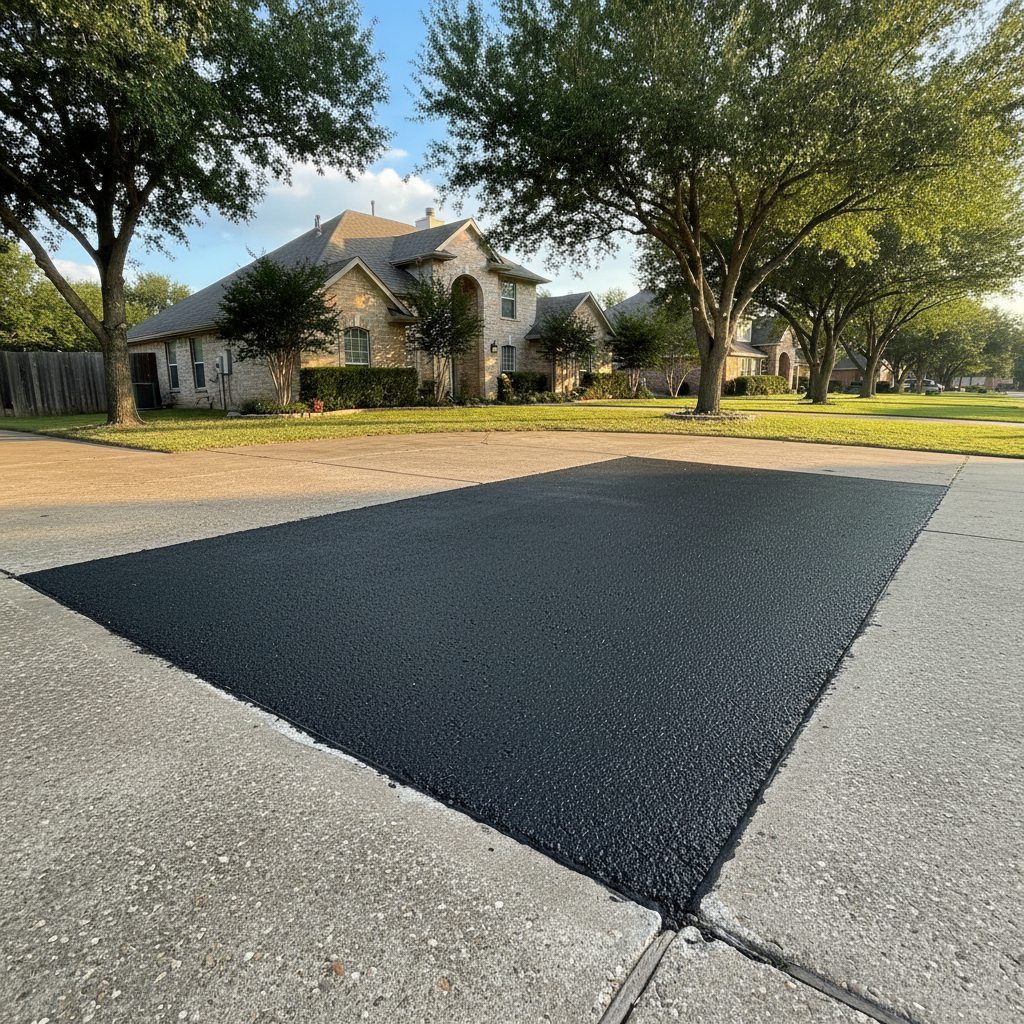
- Type of Patching Method: There are a few ways to patch. A simple 'throw and roll' cold patch is cheap, but it's a temporary fix at best, especially with our Texas heat and those crazy freeze-thaw cycles. A 'saw cut and remove' patch, where we actually cut out the damaged section, dig down, prep the base, and then lay new hot asphalt, is much more durable, though it costs more upfront. Infrared patching is another choice that can be really efficient for certain kinds of damage, but it needs specialized equipment.
- Accessibility: Is the area easy for our equipment to get to? Or is it tucked away in some tight spot that makes the job harder and takes more time? Think about a small residential driveway versus a huge, open commercial parking lot.
- Existing Conditions & Sub-Base: If the problem goes deeper than just the asphalt surface — if the underlying soil or gravel base is unstable or poorly drained — then we've got to fix that too. That adds labor and material, naturally. Richardson's clay soil can be a real pain if it wasn't handled correctly during the original installation, leading to sub-base issues later on.
- Time of Year: Believe it or not, sometimes the weather plays a role. Extreme heat or cold can make asphalt harder to work with, which might increase labor time.
Typical Patching Cost Ranges in Richardson
Okay, I know you want numbers, so here they are. Just keep in mind these are general ranges for professional, quality work — not for some guy with a pickup truck and a shovel doing a quick cold patch that'll fail in six months.
- Small Potholes (up to 5 sq ft): For a quality saw-cut and hot asphalt patch, you're usually looking at a minimum service charge. This often covers the crew's travel, setup, and that first small patch. Expect anywhere from $250 to $500 for a single, small, well-done patch. It's not just the material, after all; it's the labor, equipment, and expertise.
- Medium Areas (5-25 sq ft): For these, the cost per square foot often comes down a bit because we're already on site. You might see prices in the range of $10-$25 per square foot. So, a 10 sq ft patch could be $300-$500, and a 20 sq ft patch might be $400-$800.
- Larger Areas (25-100+ sq ft): For bigger sections, the price per square foot can drop even further, sometimes to $8-$18 per square foot, depending on the depth and complexity. A 50 sq ft patch could be $500-$900, and a 100 sq ft patch might run you $800-$1,500.
These ranges assume a standard depth of 2-4 inches of asphalt. If we have to go deeper or do extensive sub-base work, those numbers will definitely climb.
What Should Be Included in Your Quote?
When you get a quote from Richardson Accurate Asphalt or any other reputable contractor, make sure it's super clear about what you're actually paying for. A good quote should spell out:
- Preparation: Does it cover saw-cutting the damaged area, removing the old asphalt, and cleaning the sub-base?
- Base Repair: If needed, does it include adding and compacting new aggregate (gravel) for a stable foundation?
- Asphalt Material: What kind of hot mix asphalt are they using? How many inches thick will the new patch be?
- Compaction: Will they be using a vibratory roller or plate compactor to ensure the new asphalt is dense and durable?
- Cleanup: Will they haul away the old asphalt debris and leave the site tidy?
- Mobilization: This is often just part of the overall price or minimum charge and covers getting the crew and equipment to your location.
Don't just look at the bottom line, okay? Understand the scope of work. A cheap quote might be cutting corners on one of these crucial steps, and nobody wants that.
How to Avoid Overpaying for Asphalt Patching
It's your money, so you want to spend it wisely. Here's my advice:
- Get Multiple Bids: Always get at least three quotes from different contractors. This gives you a good baseline for comparison.
- Check References & Reviews: See what other Richardson folks are saying about their work. Look for contractors with a solid reputation for quality and reliability.
- Ask Detailed Questions: Don't be shy! Ask about their process, the materials they use, and what guarantees they offer. A good contractor will be happy to explain everything.
- Beware of Super Low Bids: If one quote is drastically lower than the others, that's a huge red flag. They might be using crummy materials, skipping steps, or not properly insured. You really do get what you pay for, especially with asphalt.
- Get Everything in Writing: Make sure the quote clearly outlines all the work to be done, the materials, the timeline, and the total cost. No surprises later, right?
Patching might seem like a small job, but doing it right prevents bigger headaches and costs down the road. Take your time, do your homework, and you'll get a durable repair that lasts.